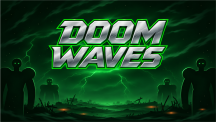
Dune Waves

















Dune Waves – How Far Can You Get Without Crashing?
The arrow is already moving, and the first obstacle is getting closer. In Dune Waves, there is no time to stop and think for too long. You must guide the arrow through a course packed with spikes, walls, and dangerous gaps. The controls are simple, but staying alive is another matter. One small mistake can send you back to try the section again.
Watch the Gaps and Time Your Moves
The game follows the wave mechanics of Space Waves. Your arrow travels forward automatically, leaving you to control its direction. Hold the mouse button or movement key to send it diagonally upward. Let go, and it moves downward. Switching between these two movements is the only way to avoid the obstacles ahead.
Some passages are wide enough to give you time to adjust. Others have spikes along both sides, leaving just enough room for the arrow to pass. Rotating gears and sudden changes in the route make things even trickier. Rather than holding the button continuously, use short presses when you need precise adjustments.
Get Better With Each Attempt
There isn't much to learn about the controls, so most of the challenge comes from understanding the course. Watch where the next opening appears and avoid making large movements when a small correction will do. If you crash, pay attention to where the arrow hit the obstacle. That moment often shows whether you held too long or released too early.
Controls
Mouse Button: Hold to rise and release to descend.
Spacebar: Hold to move upward; release to move downward.
W / Up Arrow: Control upward movement.
Mobile: Touch and hold to rise, then release to descend.
Game Experience
Dune Waves is the kind of game where a few seconds can make the difference between a clean run and another restart. The first passages help you get comfortable with the movement, but tighter gaps demand much better timing. It can be frustrating to hit a spike just before reaching the end, although that also makes a successful run feel worthwhile. If you enjoy the wave sections in Space Waves, this style of obstacle challenge should feel familiar.